What Is an AI Companion A Real Explanation Not a Sales Pitch
Understanding the Core Concept
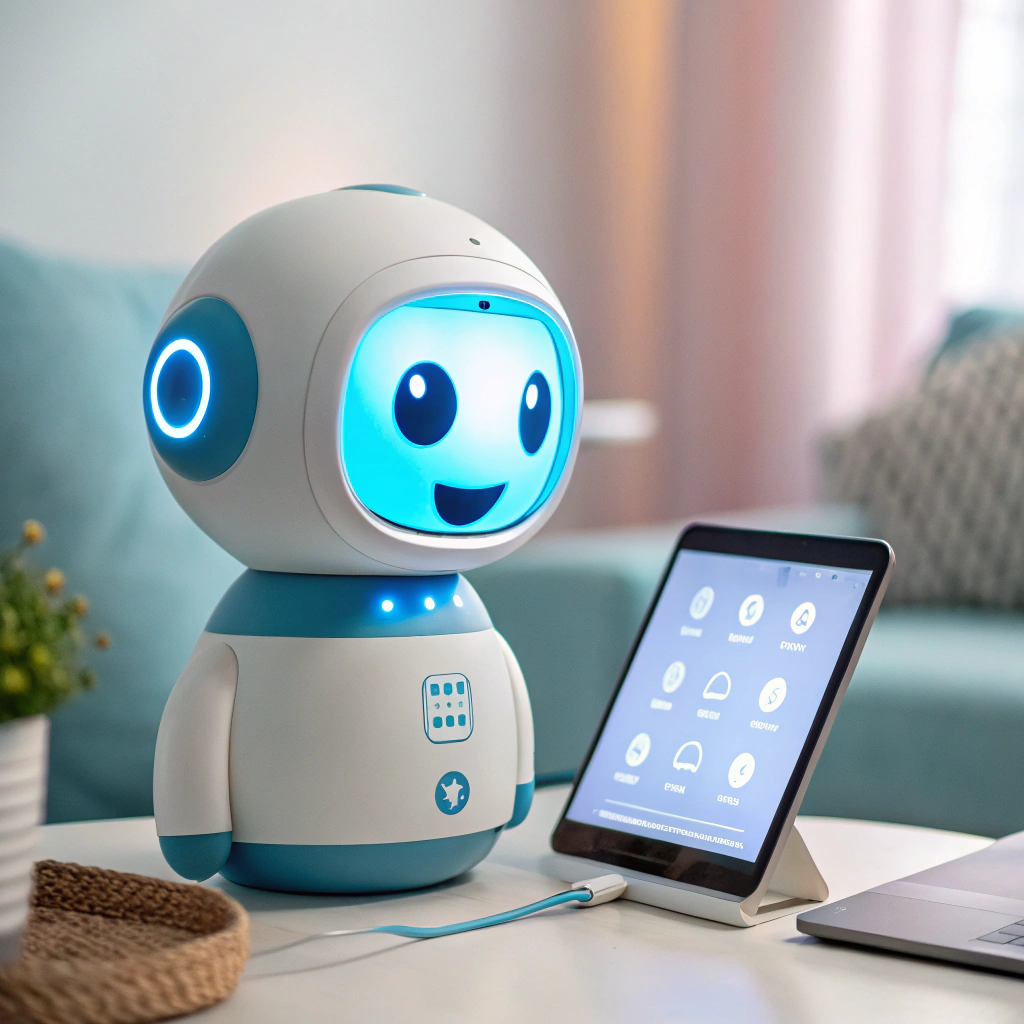
An AI companion is a software agent designed to simulate conversation and interaction with a human user. Unlike a simple chatbot, it leverages large language models, contextual memory, and sometimes multimodal inputs (voice, image) to create a sense of continuity and personality. The goal is not to replace real relationships but to provide supplemental support—whether for learning, mental‑well‑being, or entertainment.
How It Works
- Data‑driven language model – Trained on billions of text snippets, the model predicts the next word based on context.
- Memory layers – Short‑term memory tracks the current session; optional long‑term memory stores user preferences, habits, or recurring topics.
- Fine‑tuning & prompts – Developers add domain‑specific instructions (e.g., “act as a study buddy”) to shape responses.
- Multimodal hooks – Some companions integrate voice synthesis, facial avatars, or even simple animations to enhance immersion.
Who Benefits
- Students – Get instant explanations, practice language skills, or receive study reminders.
- People with limited social access – Gain a low‑pressure outlet for conversation, which can reduce loneliness.
- Professionals – Use a “virtual assistant” vibe for brainstorming, drafting emails, or managing schedules.
Market Reality
- The global AI companion market is projected to reach $2.5 billion by 2028, driven by rising smartphone penetration and mental‑health awareness.
- Adoption rates remain modest; most users treat these agents as tools rather than replacements for human contact.
Limitations to Keep in Mind
- No true empathy – The system mimics understanding but lacks genuine emotional experience.
- Data privacy concerns – Conversations may be logged for model improvement unless explicitly opted out.
- Biases – Training data can embed cultural or gender biases that surface in responses.
Bottom Line
AI companions are sophisticated conversational tools that can enrich daily routines, support learning, and provide a friendly ear. They are not miracle cures for isolation or productivity; their value lies in thoughtful, limited use alongside real‑world connections.